
Skip to content

BrazilBrazilVisited Dec 2024 · 1 week

Rio de Janeiro

Everything you thought it might be - and more.

Great valueGreat for a holidayWould return
Average7.9
Accommodation7.2
Coworking7.6
Value8.5
Excitement8.4
Living costs, excl. rent~$910
Mild and dry
JFMAMJJASONDMild and dry: Apr, May, Jun, Jul, Aug, Sep, Oct, Nov
Nomad visaAvailable
Population6.2 million
Fly into

GIG & SDU

South America's most iconic city.

Founded in 1565, Rio de Janeiro grew from colonial port to one of the world's most identifiable urban landscapes where beaches, mountains, and city life blend to create its unique Carioca culture.

Consider for a holiday

A spectacular destination in so many ways, but one best experienced on holiday to ensure you get the most out of it. Well worth visiting at least once in your lifetime.

At a glance

Accommodation

Good · #43 of 62

7.2/10

Modern and affordable accommodation isn't one of Rio's strong points. A combination of high seasonal tourist demand and a relative shortage of modern building stock means that, more than in other cities, you really need to book as far in advance as possible when planning a month-long stay.

At under a £1,000 monthly rate, much of the available accommodation in the streets behind Ipanema and Copacabana tends to be smaller, more dated studio units, and represents a substantial drop in size, specification and amenities compared to the same price as in say Buenos Aires.

Expect to pay an increasing premium the closer you get to the beachfront, especially towards Leblon. Prices spike dramatically during Carnival (late February/March), so unless you're specifically visiting for the festival, book around the entire period to avoid significantly inflated rates.

Accommodation costs are one of the reasons why I didn't feel that Rio was particularly well suited to remote work. While by global standards the prices remain good value, the premiums you are likely to pay to be based next to the beach or to visit during peak seasons are probably not justified when you are on a work-oriented trip.

In both Airbnbs I stayed in during my time in Brazil, there were notably strict security measures for building access. In both Rio and São Paulo, you needed to identify yourself at the main security entrance before being allowed into the building. While the security is welcome, it does create a degree of friction when passing through the building.
How it compares

Coworking

Good · #32 of 62

7.6/10

There's a more than adequate selection of coworking spaces across each of the key neighbourhoods from Leblon to Centro, but notably fewer top-quality options than you'd expect from a more renowned remote work hub.

Value

Great · #10 of 62

8.5/10

Having spent the last month in both Buenos Aires and Santiago - Rio felt like incredible value as of December 2024. Eating out represented some of the best value you could find on the continent.

Filling, tasty local meals at lanchonetes can be found for around £5, with more sophisticated international options coming under £10. Speciality coffee and patisserie items are on par with the quality you would expect from somewhere twice the price, if not higher, in European cities.

Depending on where you head to, drinks in bars can be particularly inexpensive, with large bottles of beer available for a couple of pounds in casual outlets, though expect those prices to rise naturally in more sophisticated venues.

Even in the countless beachside bars, which are typically tourist traps wherever you set foot globally, costs remain consistently reasonable, offering similar prices and quality for food and drink to what you'd expect elsewhere in the city.

Metro tickets cost under £1, and getting around in the evenings via Uber is particularly inexpensive.

Excitement

Great · #9 of 62

8.4/10

I can't think of many more exciting cities to visit for a week than Rio. It is so utterly distinctive in every perceptible way, especially over a weekend.

The rhythms of samba music appearing in the street, the ubiquitous flip-flops, the diabetes-inducing sweetness of a £2 Caipirinha on a crowded beach. Everything you've read, watched and heard about the city in this regard is probably completely true.

During the week, Centro feels like a conventional downtown business district where you can get on with your workday if you need some compartmentalisation between your working hours and free time.

If you love the beach and plan on spending a good proportion of your weekends on the sand, there may not be too many better options globally. It's not something I personally made the most of, as there would be no quicker way of being parted from your personal belongings than leaving them unattended at any point.

How it compares

Plan

Summary

What trip to South America would be complete without a visit to Rio?

After a remarkably incident-free trip throughout the continent, I was a little hesitant about visiting a city that had garnered as many criticisms for its safety as praise for its beauty.

Less than 24 hours was all it took to dismiss any lingering fears.

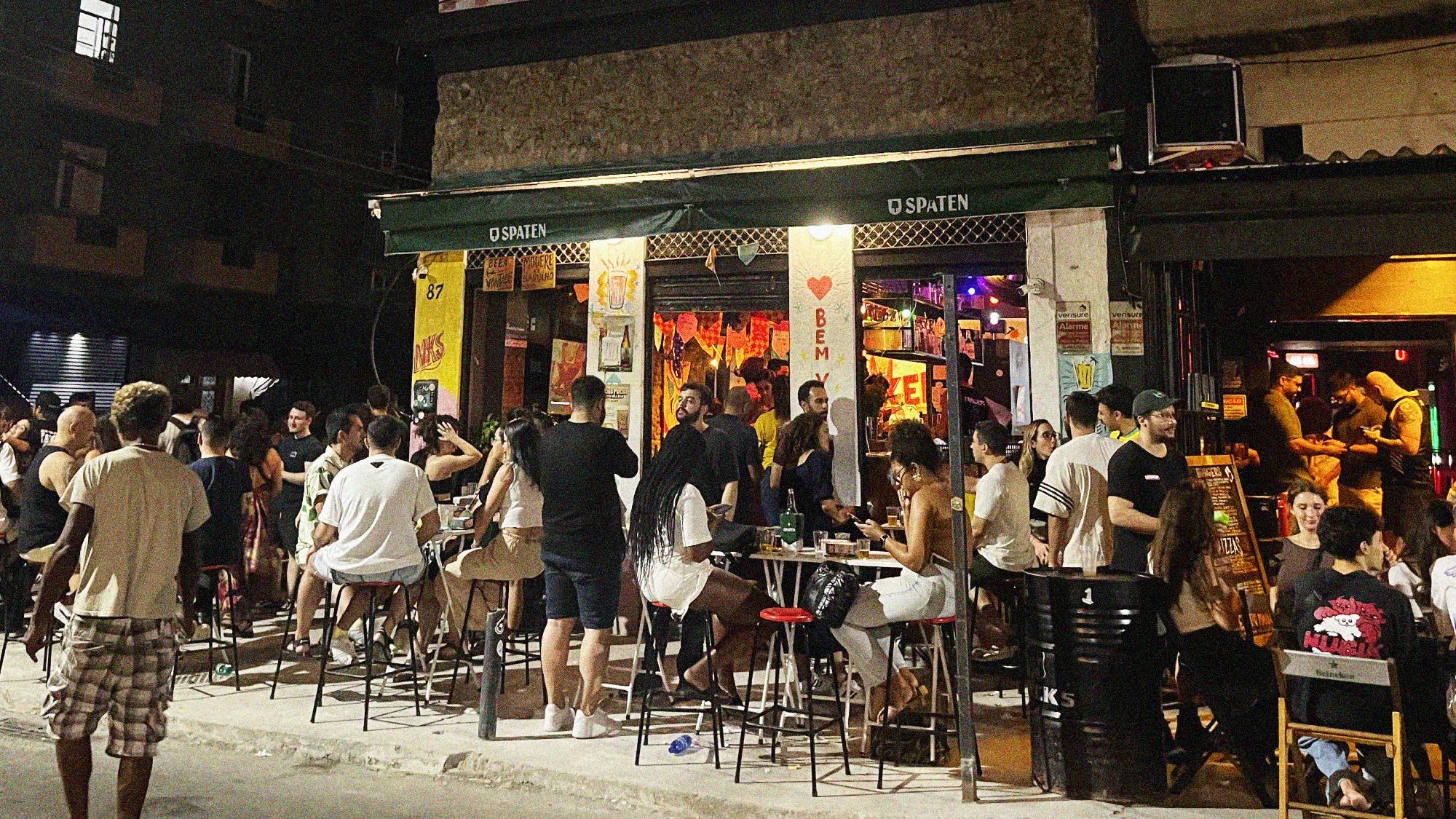
Expect Rio's nightlife to go on late into the evening with the bars spilling out into the streets around Rua Arnaldo Quintela. Whilst you probably don't want to go wandering around the neighbouring side streets unattended, even at 2AM such populated areas feel safe to be in.

Cost of living

$910a month, before rent

Basic living costs, rent not included

Day-to-day spending for a month: two meals out and a coffee every day, three taxis and two nights out a week, a gym and a coworking desk. Add your rent on top.

Affordable
  • Meal in a casual restaurant$8.00
  • Speciality coffee$2.50
  • Pint of local beer$3.00
  • Cocktail$7.00
  • Taxi for 2 miles$4.00
  • Men's haircut$12
  • Women's haircut$30
  • Gym membership, monthly$31
  • Coworking, monthly$161

Prices as of Oct 2026. Confidence: medium (gym & coworking verified; other prices restated at 2026-10-07 exchange rates). Sources: numbeo.com, wework.com, workin.space. Always check locally before planning around them.

Duration & season

One week was just about long enough to get a good feel for Rio, and that was with being particularly fortunate to get a full weekend of sunshine to explore outdoors properly.

If you can find a good apartment within your budget, there's more than enough to occupy your time for a month. Consider visiting from September to December or after Carnival (late February/March) until May to get better value than in the peak season.

I wouldn't entertain the idea of combining Carnival with a working visit if you harbour any ambitions of being productive during that period. Attending Rio Carnival has now become a bucket list item for me, but that would be strictly during annual leave with my laptop shut and Slack notifications firmly disabled.

By month

Typical temperatures and rainfall by month
MonthLow °CHigh °CRain mmNotes
January2435125wet month · peak season
February253535peak season
March2331155wet month · peak season
April212968
May203029
June192719
July182448
August182548
September193024
October192991
November202996
December2334120wet month · peak season
Wettest months Peak season

Typical daytime highs and overnight lows, from the last two years of observations (Open-Meteo). Rain icons mark the wettest months.

Visitors a year
2M2025
Crowds
High
Peak season
Dec–Mar
Low season
May–Aug

Remote work visa

Digital nomad visa available

Brazil introduced a remote worker visa in January 2022. Applications must be made in person at a Brazilian consulate.

The visa allows remote workers employed by foreign companies to live in Brazil for one year, with the option to renew for a second year. Applicants must provide proof of foreign employment/income, demonstrate monthly earnings of $1,500+ or $18,000 in savings, hold valid Brazilian private medical insurance, and submit a criminal clearance certificate from their home country.

Processing time is typically 3-4 weeks. Requirements for dependents are not yet clearly defined.

Read more about the visa

Working hours

The major east coast cities operate on Brasília Time (BRT), which is GMT-3, putting them 3-4 hours behind most European time zones and 1-2 hours ahead of US Eastern Time throughout the year.

I started work at 7AM each day and while it required some earlier nights, it was easily achievable to remain in sync with colleagues across Europe.

Safety

Rio felt much, much safer on the ground than I imagined.

Out of anywhere in the world, I had never heard of so many people I'd known have issues with security as in Brazil, having heard many stories of theft and muggings. After an entirely carefree period in Santiago and Buenos Aires, I was somewhat apprehensive about what I would find in Rio, and Brazil more widely.

Centro over the weekends is best avoided.

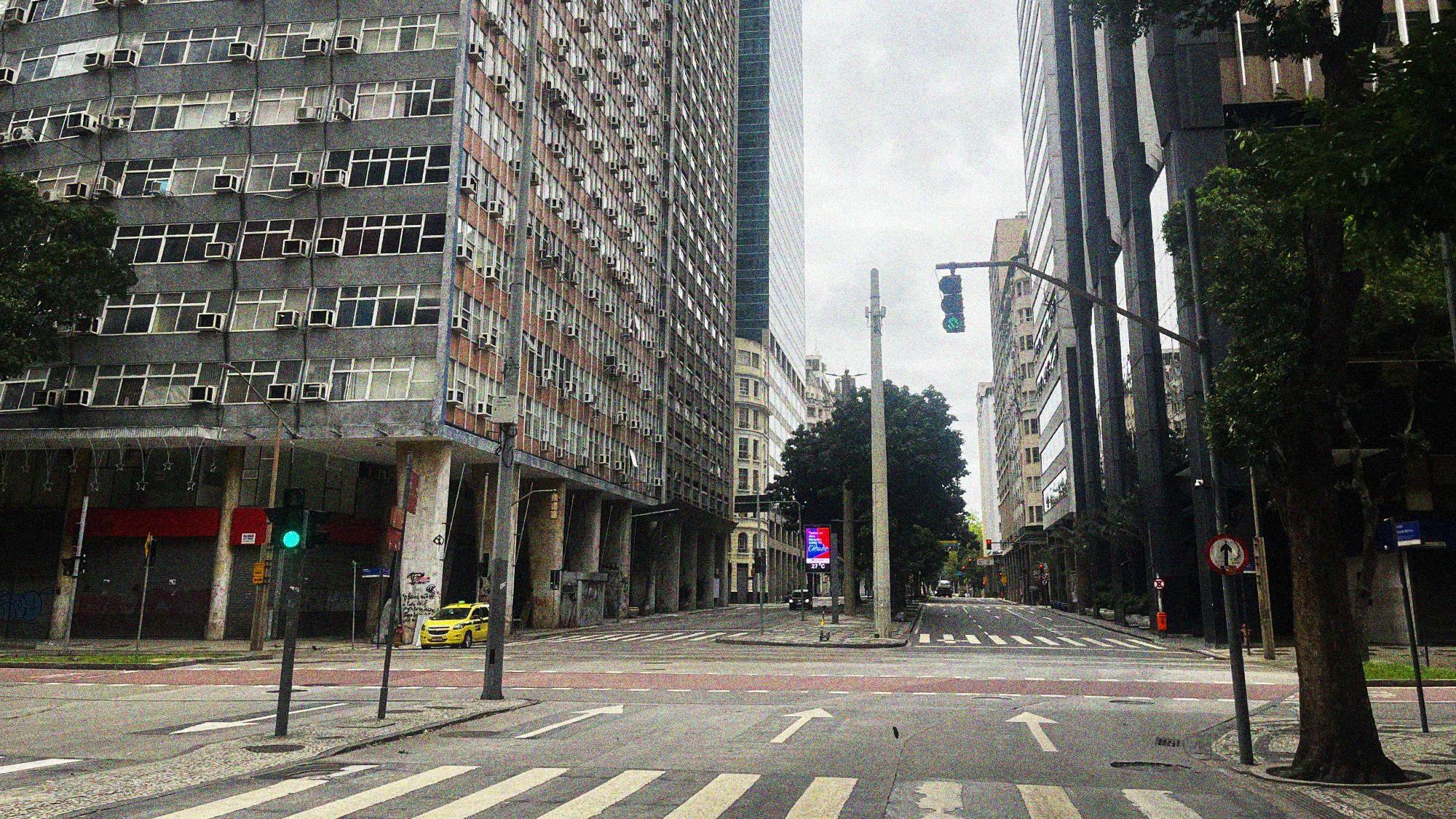
Unlike the rest of the city which is a consistently bustling hive of activity, over the weekend the streets of Centro had the eeriness of a film set imitating a post-nuclear holocaust. There are a number of police patrols stationed around, but this area should be avoided, as much for the sheer boredom of being there rather than it being outright dangerous. Monday to Friday, I loved it as a place to work from, with a distinct busy energy and abundance of lunch spots, where walking its streets felt entirely safe.

Solo hiking felt safe.

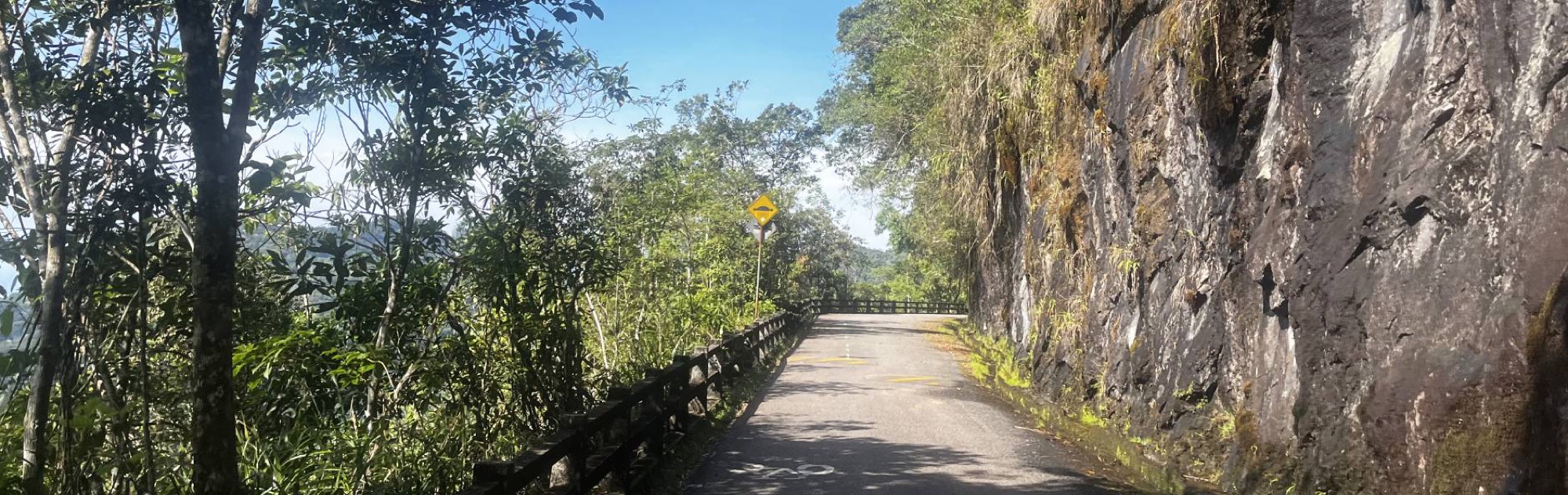
Going on long independent walks away from police patrols and crowds was definitely something you shouldn't consider doing in Bogotá or Medellín, but it felt entirely safe to do so in Rio. All throughout the Tijuca National Park, you'll encounter people running or cycling through individually or in small groups, with occasional police checkpoints on roads. The roads along the top benefit from significant elevation, meaning that while you may be physically close to other neighbourhoods in raw distance, reaching these heights requires deliberate effort - a marked contrast to Colombian cities where informal housing would often be directly at the trailheads.

Look after your belongings on the beach.

This goes without saying, but due to the sheer density of people on the beach, there's an enormous potential for opportunistic theft. Leave whatever you don't critically need at home.

Phone theft is likely to be the biggest threat.

Given how much visual splendour is on display, you'll probably be trigger happy throughout your stay in the city. I heard stories of street bands working in tandem with local thieves to create easy targets, snatching devices from unsuspecting people's hands. It shouldn't deter you from using your phone in public, but don't invite trouble by being careless.

The metro felt safe and secure at all times.

It can get packed during rush hours near key stations, but it was a highly efficient, safe and cheap way to get across the city.

Live & work

Where to stay

If you’re working from Rio rather than on holiday, you’re likely to have a slightly different set of priorities than a traditional holidaymaker. If you’re spending 40 hours a week in a coworking space rather than on the beach, paying a beachside premium may not make as much sense, and in turn, you have a wider selection of areas to consider.

The bad news is that quality, affordable accommodation isn’t abundant in Rio. The good news is that each of these neighbourhoods follows one another on a metro line, meaning you are never more than 30 minutes from one end to the other.

Rio is a gigantic metropolis - but as a visitor, you'll likely want to be based somewhere in the vast area known as Zona Sul.

Ipanema

Recommended

It's easy to see why Ipanema is often cited as the best location for visitors to Rio de Janeiro. It feels safer than Copacabana, with slightly quieter side streets. You have immediate access to the beach and the scenic Rodrigo de Freitas Lagoon right behind, which offers a 7.5km circuit perfect for walking or jogging. Ipanema would be the safest bet for most visitors, especially if it's your first time in Brazil or South America.

Flamengo

Recommended

Just further north from Botafogo, Flamengo would be a good option for a longer stay and is distinctly less touristy than some of the other neighbourhoods listed. Around Praça José de Alencar, you'll find a wealth of places to eat and drink, making it a notably better option than the more northern neighbourhoods of Lapa and Centro. The beachfront running track and outdoor gym circuit make exercise particularly convenient.

Leblon

Recommended

If you're walking west from Ipanema, these two areas blur somewhat into one another, separated by the Jardim de Alah Canal flowing from Lagoa. Leblon is progressively more upmarket and more sedate than its immediate neighbour, with more refined and sophisticated eating and shopping options. Another solid option if you're feeling a bit anxious about visiting Rio for the first time.

Where to work

There's a more than adequate selection of coworking spaces across each of the key neighbourhoods from Leblon to Centro, but notably fewer top-quality options than you'd expect from a more renowned remote work hub.

WeWork has two options remaining, both in the slightly inconvenient Centro district, which, unless you already have membership access, probably aren't worth considering.

Arca Hub in Ipanema looked like one of the best options in terms of location and quality, and somewhere I would aim to be within close proximity to on a return visit.

WeWork - Av. Alm. Barroso, 81 coworking space

WeWork - Av. Alm. Barroso, 81

Top locationQuality fit-outOutdoor space

A reliable option in the middle of the downtown district of Centro.

WeWork no longer has a site in the more desirable southern neighbourhoods of the city, so if you're planning to make use of a membership in the city, the two remaining options are more than likely going to require a morning commute.

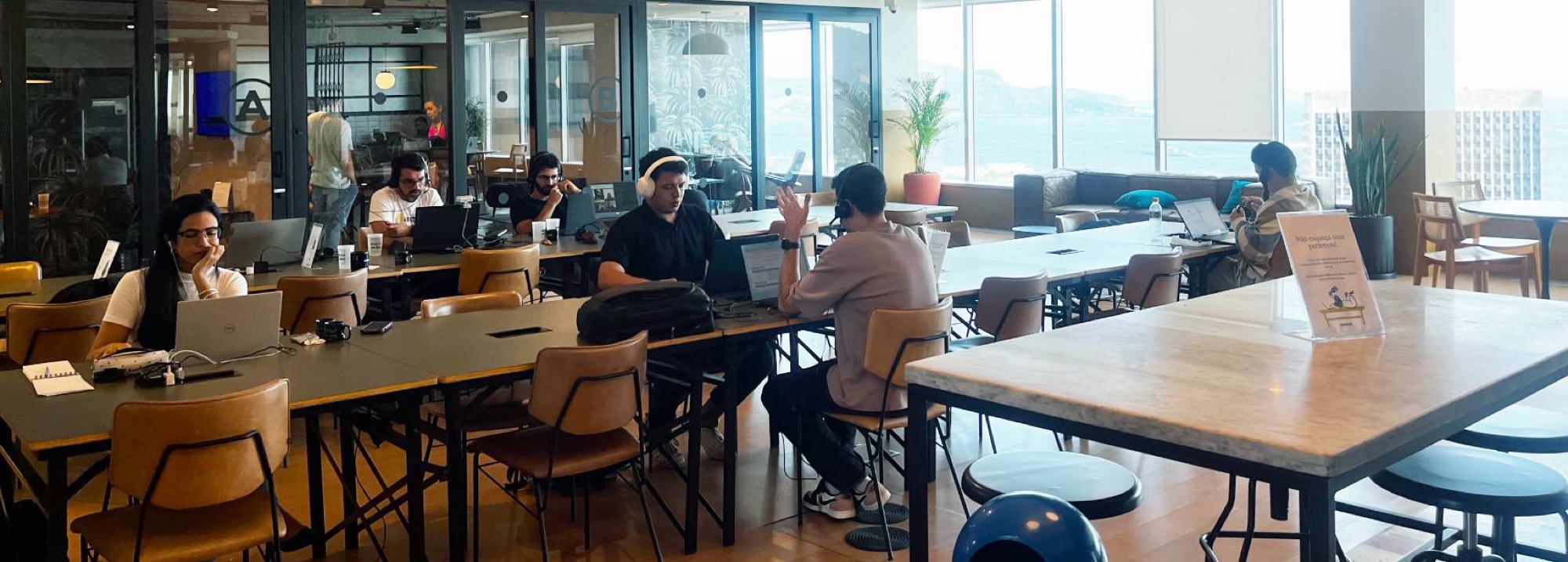
I opted for Av. Alm. Barroso, 81, which is the larger of the two sites and sits in the actual centre of the CBD, as opposed to the other site in the Bossa Nova Mall.

WeWork occupies the majority of the floors of this 24-storey building, with the All Access areas available on the 22nd, 23rd and the largest area of dedicated desks situated on the 24th. Being so high up you've got incredible views looking out towards Guanabara Bay with Sugarloaf Mountain periodically peaking through the clouds coming over.

The areas on the 22nd and 23rd are a bit more ambient with the usual pool tables, ping pong and large in-house supermarket-style facility which is handy to pick up snacks throughout the day. The 23rd floor boasts a spacious balcony with plenty of workspace options.

Centro is a great area to explore during the work week and venturing around on foot felt entirely safe with an enormous working population commuting in each morning. There's some decent coffee options on hand with The Coffee & Coffee Five reachable in a few minutes and countless good food options within a ten-minute walk. For a quick, traditional and inexpensive lunch, look no further than Restaurante Jovem Guarda.

Is it worth 30 minutes commuting up from either Ipanema or Leblon? If you are only in town for a couple of weeks and already have WeWork access it probably is. If you don't already have access or are planning on staying longer? I'd find something closer to home and save yourself the commute.

Food & drink

Coffee

Coffee Five

Top rated

The best espresso I had in Rio, served on the ground floor lobby of an office building in Centro. Popular with local office workers, it also offers an excellent cheesecake. Just a 10-minute walk from the WeWork.

Food

Pavão Azul 2

A simple lanchonete a few streets back from Copacabana beach serving Brazilian staples, with ice-cold beers and live sports on the TVs. Would recommend the Carne de Sol with Mandioca Frita (sun-dried beef with cassava fries)

Restaurante Jovem Guarda

If you’re working from the WeWork in Centro, this pay-by-weight restaurant is an excellent option for a quick and tasty lunch. It offers a wide variety of freshly made local dishes, with takeaway also available.

Gelato Surreal

Some of the best gelato I had in Brazil—an ideal antidote to a hot day. Located on the third floor of the Botafogo Praia Shopping Centre, directly opposite the beach.

The Slow Bakery

Top rated

An ideal spot for a weekend morning, offering a wide range of artisanal baked goods and brunch dishes in a stylish setting. Expect queues during busy periods. While the espresso was underwhelming, I’d return for one of their filter coffee options.

P.OVO

A more refined take on Brazilian staples compared to a typical snack bar. Their version of Carne Asada was the best I sampled in Brazil, offering excellent quality at a fair price.

Drinks

Xepa Bar

Part of a lively strip featuring several casual bars that stay open late into the evening. Expect cold beers, a fun atmosphere, and plenty of street drinking.

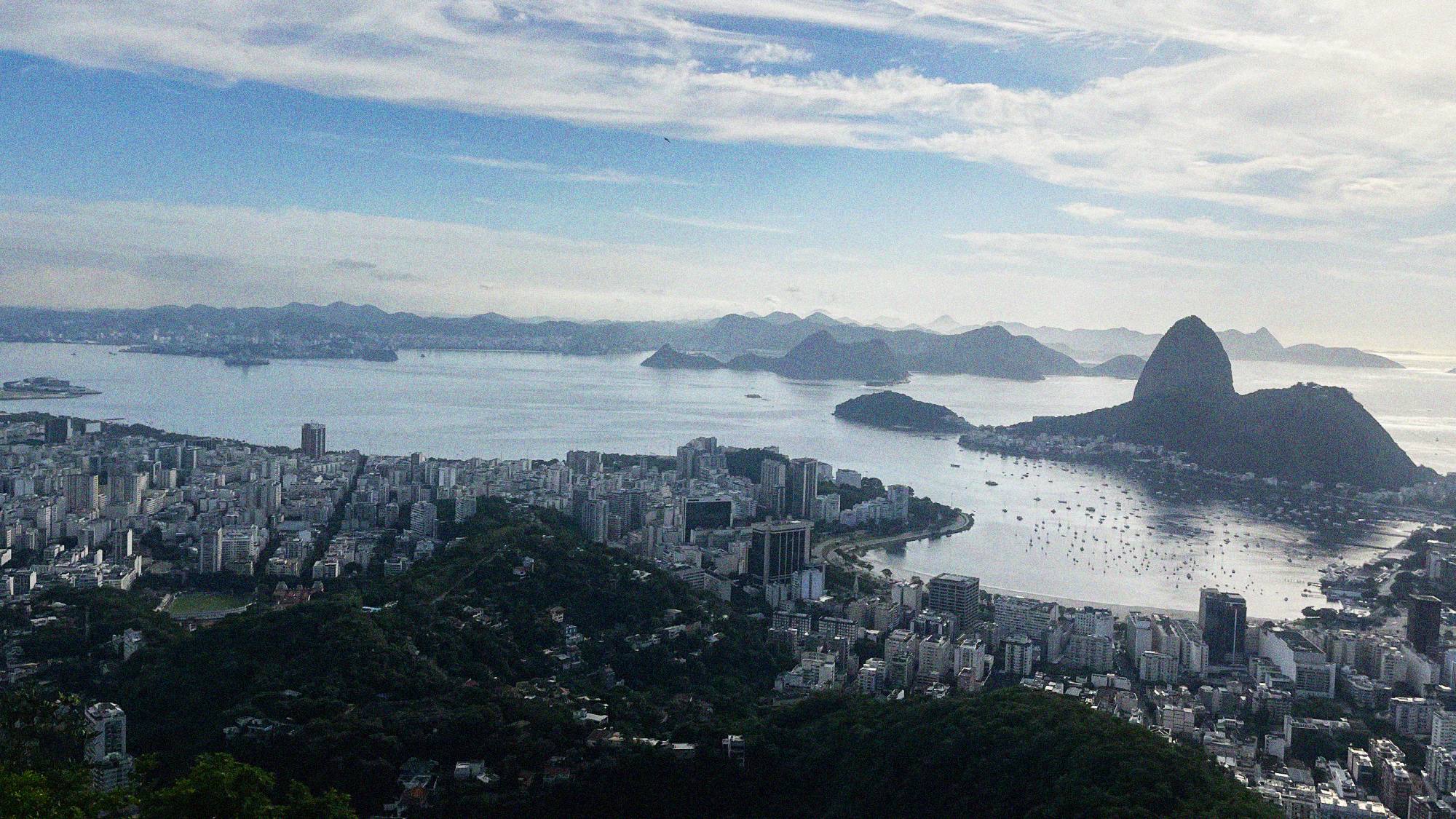
For some panoramic views across the city, take an Uber to the observation deck named 'Mirante Dona Marta Viewpoint' where you'll get a great view across Botafogo and towards the Sugarloaf on the right-hand side. Continue on the road further up and you'll arrive at the site of Christ the Redeemer.

Off the clock

Off work

Explore the Tijuca National Park

Explore the Tijuca National Park

No matter the duration of your trip, it's well worth putting some time aside to explore the national park which, when looking at the map, appears as the large green expanse towering above the city's west, offering incredible views over Zona Sul.

Most visitors to the city will want to take in the iconic Christ the Redeemer statue which is at the far east of this area in a self-contained, ticketed site, accessible via the Cosme Velho train and is a convenient place to start. Arrive as early in the day as possible to avoid the inevitable rush of visitors later on.

On the opposite side you have hikes of varying difficulty including Pedra da Gávea and Pedra Bonita, the first of which you may want to plan specifically for.

Over the weekend I visited, the roads connecting the rolling hills were well populated with runners and cyclists, and it felt safe to be exploring such areas unaccompanied.

Exercise

Walk

Mirante Dona Marta → Pedra Bonita

Starting at the viewpoint of Mirante Dona Marta, you can travel across the top of the Tijuca National Park following the road along Estrada do Redentor. While Google Maps suggests that you cannot walk it, it is actually a paved road popular for both cycling and running. At the opposite end, Pedra Bonita is a short and easy hike, offering some of the best views back across the city. Felt remarkably safer than similar hikes in Colombia - well maintained trails and regular presence of cyclists and runners of all ages throughout.

Run

Parque Brig. Eduardo Gomes

This is a great option if you are staying in Flamengo or Botafogo, with dedicated running and cycle tracks running along the perimeter of Praia do Flamengo. In uniquely Brazilian fashion, expect to see volleyball teams practising in full swing at 6:30AM.

Run

Ipanema → Copacabana

A run that you have to squeeze into your trip. I'd suggest aiming to go early in the morning to catch the end of the sunrise and before the crowds fill the streets. You're likely to bump into an even mix of people getting an early start on the day and those valiantly not letting the party die from the night before.

People

As you would expect, you'll find tourists from all across the world visiting Rio, with those numbers inevitably peaking towards the Carnival season.

Even though the city has such a renowned reputation as being a tourist draw, that presence never felt anywhere close to being overly saturated, even in Leblon and Ipanema which both felt they still fully embodied the relaxed and festive Carioca culture.

You don't have to drift too far for the tourist presence to drop off almost entirely, and in somewhere like Flamengo, there's little indication that you are in such an internationally renowned destination.

There was little presence of international remote workers in the WeWork I visited - in fact, I believe I was the only European on the floor I worked from - but that could in part be due to its location far away from the core tourist hubs.

Notes

Positives

As vivid and distinctive as the photos make out.

When the sun is out, Rio is one of the most spectacular cities I can recall visiting. The dramatic hills, long beaches and deep blue waters create some of the most evocative scenery you can witness in an urban setting. No Photoshop or filters required. Aside from the natural scenery, the samba music, pastel-coloured colonial buildings and Christ the Redeemer standing over the city make it a destination that's unlike anywhere else in the world, immediately recognisable.

A high-quality and easily accessible metro system.

You can simply tap your contactless debit or credit card to enter the subway, just as you would in London. A single ticket currently costs around 5.80 Reais.

A big street-drinking atmosphere.

Whether this is on tables outside a snack bar, on the beach, or perched on a wall overlooking the sunset, you're likely to find groups of friends sharing a 600ml 'cerveja garrafa' poured into small 'copo americano' tumblers. As someone who personally loves the unsophisticated, raw nature of drinking a beer outside, this is a welcome cultural practice.

Consistently good value can be found across Rio's beachfront.

Both formal and informal beach bars can be found next to any patch of sand across the city and felt remarkably well-priced. You can expect similar outlets in Europe to be pure price-gouging exercises, but perhaps due to their sheer abundance, it's not an issue in Rio. Expect to pay similar prices to what you would away from the beach, with card payments as ubiquitous as they are in the main centre.

Finding a tasty and filling local meal requires next to no effort.

True of both Rio and São Paulo, this made Brazil arguably the easiest place on the continent to pick up an inexpensive meal after work with minimal fuss. Most menus at lanchonetes are likely to revolve around a protein item, rice, beans, chips or salad, and having dined at numerous establishments, the quality appears consistently good. Expect to pay around £5 for a large, filling meal and £2 for a large beer.
Centro takes on a distinctly dystopian feel over the weekend once its office-working population has left. Whilst there's reassuring police presence around Cinelândia, most restaurants are closed and you'll struggle to find even a supermarket open. A terrible place to spend any portion of your weekend in such an energetic city.

Negatives

You're likely to get the most out of Rio as a holiday destination.

Most people's ideal itinerary for the city is more likely to include sipping caipirinhas on the beach and maximising your vitamin D intake than being closed away in a coworking space for 40 hours a week. Of course you can balance this out on weekends, but also taking into account the more expensive accommodation, Rio more than any other city I visited felt like somewhere to have an amazing time with friends over a condensed period, rather than trying to juggle work commitments.

Frequently wet weather.

Prior to visiting, I couldn't comprehend anything less than consistent blue skies and sun, having not seen a single photo that didn't reflect that. However, rainfall is common throughout summer, with December and January expecting 18+ days of rain each per month. The aesthetics of the city contrast massively depending on the cloud cover, and on a dark day it can be a rather depressing spectacle, especially if you are on a time-restricted itinerary and itching to make the most of the outdoors.

An underwhelming coffee scene.

For a country renowned for its coffee production, Rio wasn't a city that stood out for coffee. While you can find specialty grade coffees, there was a surprising lack of strong options in the tourist areas of Leblon and Ipanema.

Tips

If travelling domestically, aim to depart from Santos Dumont.

You may encounter lengthy delays driving to GIG (Galeão International Airport), which is often susceptible to heavy traffic. Santos Dumont offers a super short commute if travelling from anywhere within the South Zone.

Consider your wardrobe carefully for Rio.

My usual travel uniform of black t-shirts, which would serve most urban environments without fail, felt particularly uninspired. Rio is an ideal place to pack your loudest, loosest-fitting shirts where it's highly unlikely they'd feel out of place. I'd opt for waterproof flip-flops over cork Birkenstocks if making heavy use of the beach and to protect against any downpours.

A good city to arrive in pristine shape.

There aren't many cities on the planet where you're likely to have your top off throughout the majority of the day. There's definitely an emphasis on health, fitness and appearance throughout the city. Does this mean you should arrive with a six pack? Not necessarily, but I'd suggest not following my health programme of consuming 40 empanadas in the preceding two weeks in Argentina.

Try to visit somewhere else in Brazil in addition to Rio.

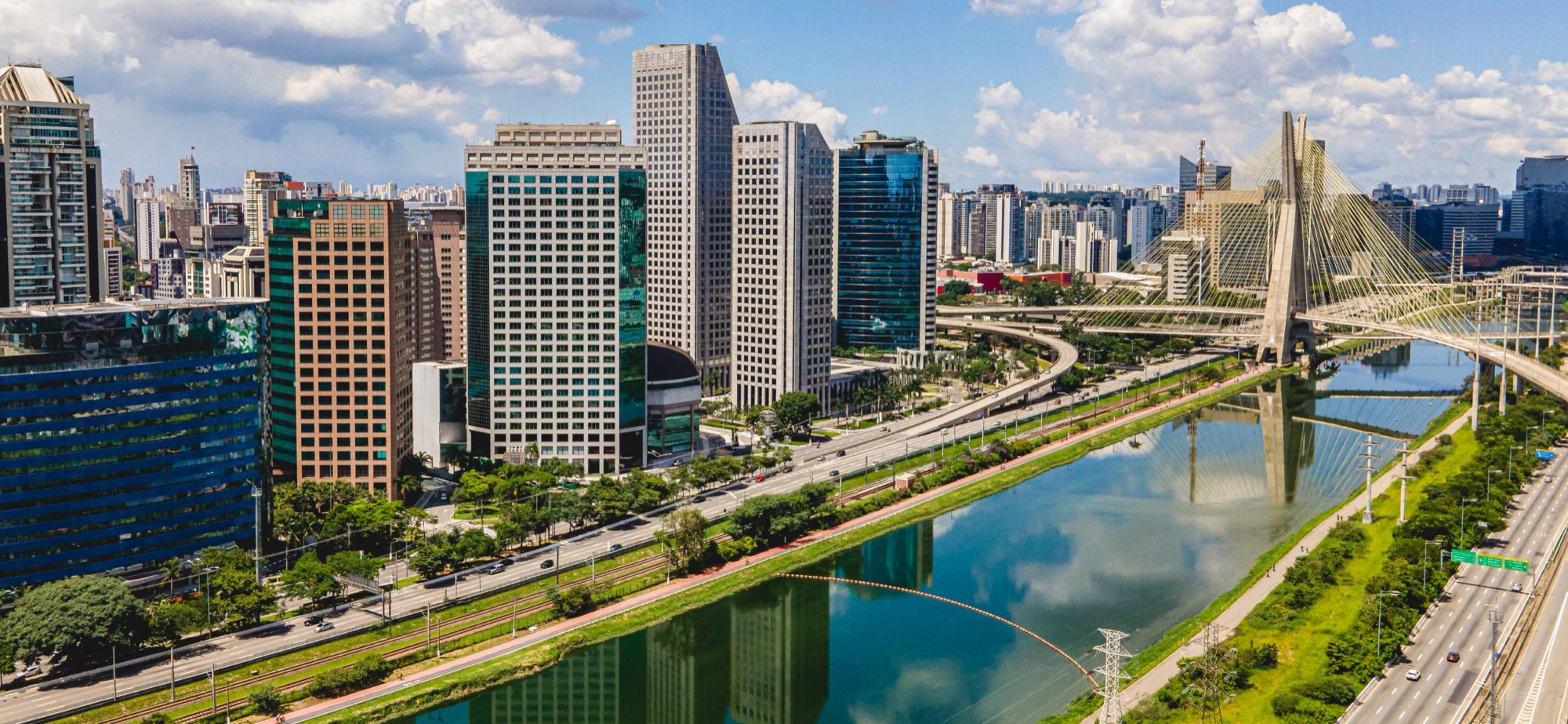
Given it is so vivid, distinctive and unique, visiting Rio in isolation could give you a somewhat distorted view of what this enormously diverse country is like. I was really glad I carved out time to also see São Paulo, as it reflected a very different culture and one to which I probably felt more personally connected.

I deliberated for a while on attempting the Pedra da Gávea hike.

After reading many reviews on Google Maps, I opted for the smaller and much easier nearby Pedra Bonita, which offers similar views but was ultimately more suitable for my entirely gripless, aged New Balance trainers. It would be my first port of call on a return visit with some more suitable footwear.

Planning a trip to Rio de Janeiro?

Partners I recommend. Some of these links give you a discount, and I may receive a referral reward.

SafetyWing

Specialised, flexible insurance for prolonged trips away.

  • Buy while abroad
  • Global coverage
  • Simple, online claims process
  • 24/7 human support

For trips exceeding 30 continuous days, seek dedicated travel insurance. Most holiday policies or credit card offerings become invalid after 30 days, despite advertising year-round protection. SafetyWing provides medical and travel coverage specifically designed for remote workers.

Having successfully claimed through their platform with impressive speed, I confidently recommend their service.

Sign up and get $20 off

Learn more

Airarlo

Easy access to data on your phone wherever you are in the world.

Get $2.50 off your first purchase

Learn more

Western Union

A convenient alternative to high ATM fees or carrying around cash.

Register and earn £10

Learn more

Suggestions or improvements?

If there's anything you feel that could make these guides more useful, let me know.
Leave a comment

Say hi!

If you've got any questions on any of the destinations or in remote work in general, give me a shout on LinkedIn.
Get in touch

Take every guide with you

The free iOS app has every guide offline, live weather and local time, costs in your currency, and bookmarks for your shortlist.