
Skip to content

BrazilBrazilVisited Dec 2024 · 1 week

São Paulo

A misunderstood city?

Top ratedGreat valueWould return
Average8.6
Accommodation8.5
Coworking9.5
Value8.7
Excitement7.8
Living costs, excl. rent~$935
Mild and dry
JFMAMJJASONDMild and dry: Apr, May, Jun, Jul, Aug, Oct
Nomad visaAvailable
Population11.5 million
Fly into

GUR & CGH

The modern commercial heart of Brazil.

Founded in 1554, São Paulo evolved from a Jesuit mission into Brazil's economic heart, with generations of Italian, Japanese, and Lebanese immigrants contributing to a city that far exceeds its limiting corporate reputation.

Strongly recommend

If you enjoy everything that comes with mega-cities, 100% add São Paulo to your South American itinerary. The city offers great value by international standards when travelling from abroad and serves as an ideal gateway to Brazil. Don't be deterred by any security concerns.

At a glance

Accommodation

Great · #10 of 62

8.5/10

Compared to Rio, São Paulo offers a far better supply of well-located and high-spec Airbnbs, thanks to more modern building stock and being less vulnerable to the pressures of seasonal tourism. For around £800 per month, you should be able to find a quality modern apartment, with studio options being far more abundant than one-bedroom units.

I stayed in the Smart Vila condo complex, which was an excellent base and one I would happily return to. It featured one of the best on-site gyms I'd seen in South America, along with an on-site mini-mart, swimming pool and plentiful laundry machines - all just a three-minute walk from the Vila Madalena metro station.

In both Airbnbs I stayed in during my time in Brazil, there were notably strict security measures for building access. In both Rio and São Paulo, you needed to identify yourself at the main security entrance before being allowed into the building. While this security is welcome, it does create a degree of friction when coming and going.
How it compares

Coworking

Great · #1 of 62

9.5/10

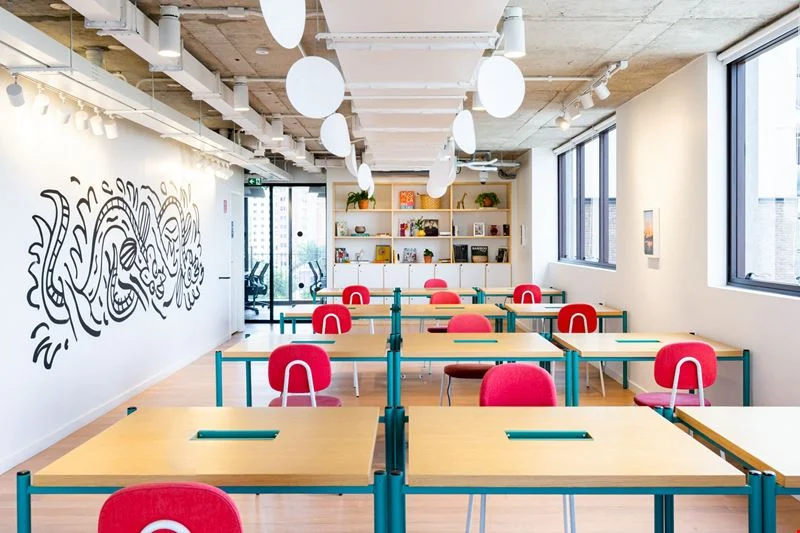
Along with Tokyo and London, São Paulo stands as one of the best cities globally if you have WeWork access. There are 15 locations spread across the city in desirable neighbourhoods and the quality was the highest I found in South America. Most featured outdoor terraces, were spacious and had dedicated areas for All Access members.

Value

Great · #7 of 62

8.7/10

Prices for day-to-day goods in São Paulo were roughly comparable to Rio, especially for casual restaurant meals and coffees. One noticeable difference was that São Paulo's higher-end neighbourhoods featured a greater concentration of sophisticated options. Compared to Leblon (regarded as Rio's most expensive neighbourhood), there were more casual dining choices at your disposal.

While you will still find inexpensive places in the city's most upscale areas like Itaim Bibi and Jardins, these are regarded as some of the most expensive neighbourhoods in Brazil. Dining here will see you paying noticeably more on average than elsewhere over a sustained period.

If you're planning on eating out routinely, you're likely to find a better balance between cost and options for your budget closer to Pinheiros.

Excitement

Good · #16 of 62

7.8/10

As a city renowned for work and commerce over its beaches and scenery, São Paulo is always going to lose out to Rio for conventional holidaymakers seeking a quintessentially Brazilian experience.

But as a destination to work from, I personally felt it had a much more natural rhythm to fall into during the work week, with more than enough to keep you occupied outside of working hours. It has the hustle and bustle of a major city with bars and restaurants open around the clock, without feeling overbearing or as chaotic as a Southeast Asian city like Bangkok.

It's also home to a number of well-regarded museums and art galleries, with Pinacoteca de São Paulo, Museu de Arte de São Paulo Assis Chateaubriand (MASP) and Museu da Imagem e do Som (MIS) all being popular attractions.

Having visited both, I would personally choose São Paulo over Rio as a place to work from, as it felt like it had much more potential to become a longer-term home.

How it compares

Plan

Summary

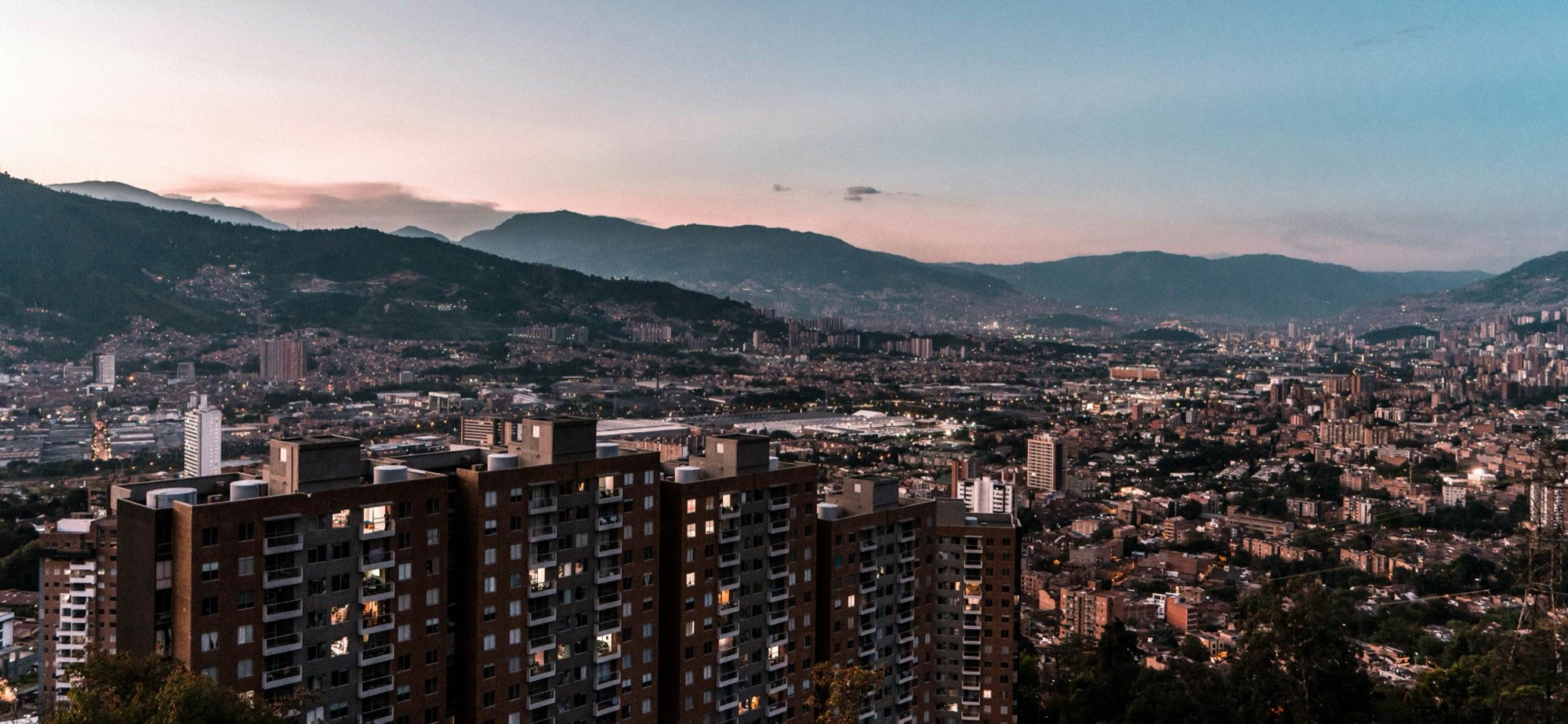
Prior to visiting São Paulo, I'd heard exclusively negative comments about the city.

The common perception was that there was little to see aside from a sea of concrete, and I got the impression you'd risk having a gun pulled on you the moment you stepped outside your apartment.

A week was just about long enough to prove this was entirely (and laughably) incorrect.

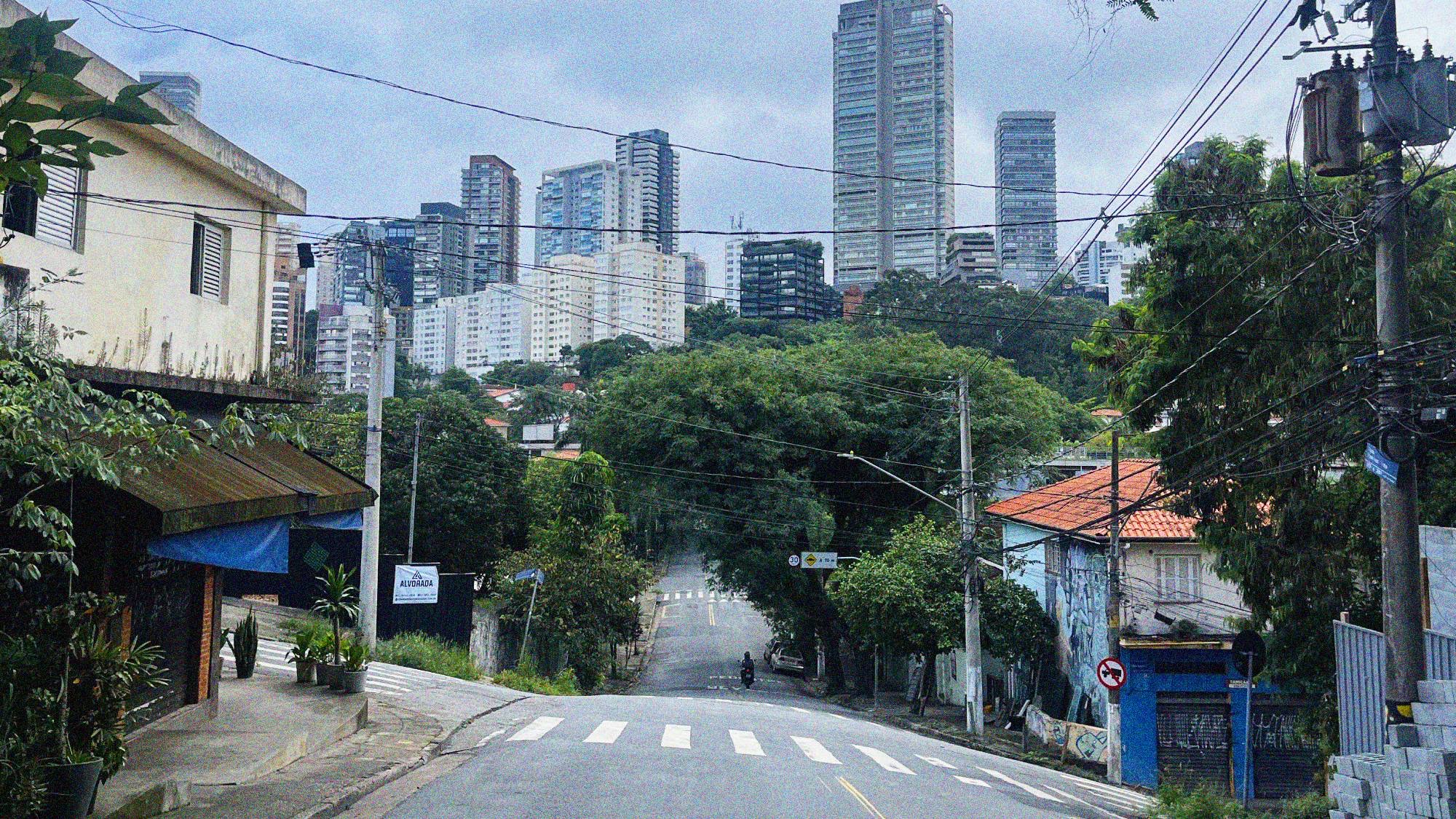
The area surrounding Vila Madalena is a constantly undulating landscape of steep hills, with climbs and descents around every corner. If you are looking for anywhere flatter for running, head towards the riverside where the Ciclofaixa path is a reliable alternative.

Cost of living

$935a month, before rent

Basic living costs, rent not included

Day-to-day spending for a month: two meals out and a coffee every day, three taxis and two nights out a week, a gym and a coworking desk. Add your rent on top.

Affordable
  • Meal in a casual restaurant$8.00
  • Speciality coffee$2.50
  • Pint of local beer$3.00
  • Cocktail$7.00
  • Taxi for 2 miles$4.00
  • Men's haircut$12
  • Women's haircut$30
  • Gym membership, monthly$36
  • Coworking, monthly$181

Prices as of Oct 2026. Confidence: medium (gym & coworking verified; other prices restated at 2026-10-07 exchange rates). Sources: numbeo.com, wework.com, workin.space. Always check locally before planning around them.

Duration & season

One week wasn't sufficient to see even half of what I would have liked to in the city. At a minimum, two weeks would feel ideal, assuming you are balancing the trip with work commitments.

Mid-December brought with it both pockets of almost uncomfortable sunshine and heavy downpours, with the default appearing to be moderate cloud cover and mild temperatures around the clock.

March-May and October-November are generally regarded as the best seasons to visit the city to minimise rainfall. Unlike Rio, where rainy or cloudy days can severely impact your ability to enjoy the beach or hiking, it didn't feel quite as disastrous in São Paulo with less reliance on outdoor activities.

By month

Typical temperatures and rainfall by month
MonthLow °CHigh °CRain mmNotes
January1931252wet month
February1932149
March1731129peak season
April162897peak season
May142931peak season
June132328
July122224
August122444
September143216peak season
October1428121peak season
November1529177wet month · peak season
December1932199wet month
Wettest months Peak season

Typical daytime highs and overnight lows, from the last two years of observations (Open-Meteo). Rain icons mark the wettest months.

Visitors a year
2.2M2024
Crowds
Medium
Peak season
Mar–May, Sep–Nov
Low season
Dec–Feb

Remote work visa

Digital nomad visa available

Brazil introduced a remote worker visa in January 2022. Applications must be made in person at a Brazilian consulate.

The visa allows remote workers employed by foreign companies to live in Brazil for one year, with the option to renew for a second year. Applicants must provide proof of foreign employment/income, demonstrate monthly earnings of $1,500+ or $18,000 in savings, hold valid Brazilian private medical insurance, and submit a criminal clearance certificate from their home country.

Processing time is typically 3-4 weeks. Requirements for dependents are not yet clearly defined.

Read more about the visa

Working hours

The major east coast cities operate on Brasília Time (BRT), which is GMT-3, putting them 3-4 hours behind most European time zones and 1-2 hours ahead of US Eastern Time throughout the year.

I started work at 7AM each day and while it required some earlier nights, it was easily achievable to remain in sync with colleagues across Europe.

Safety

In terms of security, São Paulo was radically different than what I had initially envisaged.

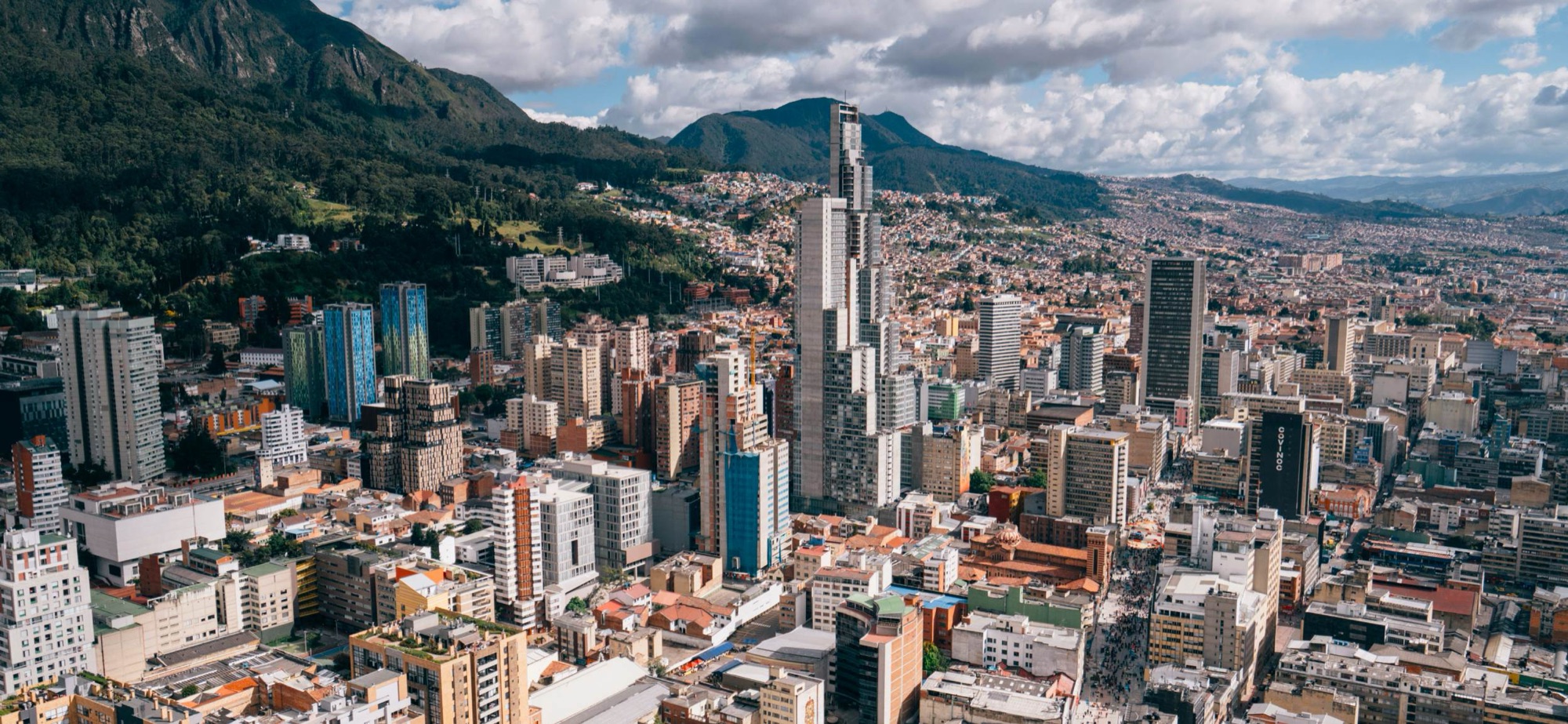
I'm not sure where this impression had originally stemmed from, but I had an idea that grave danger would be lurking around every corner and you'd be entirely dependent on Ubers to get around the city. Thankfully this was completely wrong, and you can dismiss the severity of those concerns. When comparing to other cities on the continent, it felt much more secure than somewhere like Bogotá.

The ciclovia cycling path felt very safe over the weekends.

If you are looking at the map above, it follows the large river running to the left of the image. There was a steady stream of cyclists and runners throughout the Sunday morning I visited. There may be some secluded sections, but this didn't feel inherently dangerous as you are likely to see people of all ages and genders using it unaccompanied.

Sé and other areas of downtown are renowned for being more risky.

I didn't make it down there during this trip, but from all accounts, they present much more real security risks. On a return visit I would explore there, but given the bulk of the city's more modern amenities (Coworking spaces, speciality coffee shops and new condos) are to be found in the areas to its west, it's unlikely you'll be dwelling in this area.

Live & work

Where to stay

Given its sheer scale and often not glowing reputation for safety, working out where to stay in São Paulo can feel intimidating on an initial visit.

The reality you'll find on arrival is that you've got a choice of well-connected, leafy neighbourhoods to choose from, all with an abundance of modern apartment buildings.

I'm not going to claim to be an expert after just seven days and covering a relatively small footprint of the city, but the following areas stood out to me and are generally regarded as safe bets.

Vila Madalena

Recommended

Where I most recently stayed. So tranquil you would have no idea you're staying in a city of over 12 million people. Set among a series of hills, the area blends residential streets with neighbourhood cafes and bars, plus two WeWorks for those looking to work. If you're seeking a safe, calm area with just a touch of hipster-ish charm, look no further. An ideal choice for anyone feeling apprehensive about visiting São Paulo.

Pinheiros

Recommended

Immediately south of Vila Madalena, Pinheiros is renowned for its artistic and bohemian character. It has a busier and slightly grittier feel, whilst still feeling safe to walk around. If I had to aim for a specific area, I'd opt to be close to the Fradique Coutinho metro station. If you're happy with a more residential feel, I really enjoyed the atmosphere of the streets immediately north of the Oscar Freire metro station, which felt like they would suit a longer stay well.

Jardins

If you search for this area on Google Maps, you'll see the 'Jardins' area covers a huge expanse of ground immediately south of Avenida Paulista. The whole area is known for being some of the most upscale in the city but I'd aim to stay immediately south of Consolação in the area known as Jardim Paulista, where you've got a good mix of restaurants and retail. The further south you go towards Jardim Europa, it drifts into more of a residentially dominated space. While it is a great area, I felt the areas north of Av. Rebouças had more energy without any compromises on safety.

Where to work

Along with Tokyo and London, São Paulo stands as one of the best cities globally if you have WeWork access. There are 15 locations spread across the city in desirable neighbourhoods and the quality was the highest I found in South America. Most featured outdoor terraces, were spacious and had dedicated areas for All Access members.

Aside from WeWork, there are numerous independent operators dotted across the city open 24/7 such as Eureka and Central9 meaning whichever neighbourhood you opt for, you should have a decent selection at your disposal.

WeWork - R. Purpurina, 400 - Vila Madalena coworking space

WeWork - R. Purpurina, 400 - Vila Madalena

Top rated
Top locationQuality fit-outOutdoor space

The most tranquil WeWork I've ever set foot in.

If you're staying in Vila Madalena, it's well worth booking a day at this site which seems to eschew most of the worst trends associated with the brand. WeWork occupies this entire building, set off from one of the higher streets in the neighbourhood.

The All Access space is located on the seventh floor, with several balconies available to take in the views looking across a particularly green stretch of the city.

On the ground floor, there's an expansive outdoor seating area, with full-sized tables and sofas, with sufficient shade provided by the building's canopies. If you fancy getting sunburnt (or more likely wet), there's a large open-plan area on the building's roof.

What set this site apart was how quiet and peaceful it was, embodying the serene feeling which surrounds the neighbourhood. There was no music, no overly chatty staff at the community bar, no 11AM sound of table tennis rattling your ear drums. Most desks were occupied by individual independent workers, making it a professional and quiet space to get whatever you need done.

Coffee Lab is under a 5 minute walk away and Casa Jardim is a fantastic place to pick up an inexpensive lunch buffet in a beautiful building, even closer to the office.

If you're looking for a peaceful corner of São Paulo to get your workday done with minimal hassle - look no further.

Other WeWork options in São Paulo:

Avenue Paulista - Perfect location in what feels like the centre of the city. The All Access seating, however, appears to be taken by groups of office workers early in the morning, making it feel more like someone's private office than a quiet area to get work done.

R. Butantã, 194 - Large open-plan space for All Access members on the fifth floor. While it's a decent building with plenty of seats, the immediate neighbourhood isn't somewhere I'd intentionally choose to base myself for the long term.

Food & drink

Coffee

Sensory Coffee

Offering great coffee and desserts, this café also has a second location in Pinheiros.

Coffee Lab

Top rated

One of the coffee highlights of the entire South American trip. Featuring quirky interiors and a wide selection of high-quality, locally roasted beans, I'd put this at the top of your list if looking for speciality coffee. There’s also a second outlet further south in Pinheiros.

Food

São Cristóvão

A casual restaurant and bar that’s popular throughout the day, featuring a nostalgic football theme with photos of Pelé and vintage Brazilian kits adorning the walls. The service was friendly and attentive, and the Picanha steak offered excellent value for its quality.

Tembuí Restaurante

Another excellent lunch buffet option, perfect if working from either of the WeWork sites in Pinheiros.

Casa Jardim Restaurante

Top rated

The best lunch buffet I experienced in Brazil, offering an enormous selection of high-quality dishes in a beautiful building with both indoor and outdoor seating. Highly popular with local office workers and consistently busy during my visits. A plate costs 35 reais, and it’s just a 5-minute walk from the WeWork at R. Purpurina, 400.

Drinks

BEER4U

Terrible name aside, this small local chain specialises in tasty locally brewed craft beers alongside a selection of imported options.

Boteco Cerqueira

Though unremarkable in itself, this snack bar is ideal for relaxing with a cold beer while watching international football outdoors. Conveniently located just a 5-minute walk from the busy Avenida Paulista.

Riviera Bar

Top rated

A stylish 24-hour cocktail bar located at the top of Avenida Paulista. Stylish surroundings with great quality drinks. I’d recommend booking a table in advance if intending to eat on the first floor, as it can get busy. Reasonably priced considering the location and quality.

Off the clock

Exercise

Run

CPTM Ciclovia Rio Pinheiros

A long, dedicated cycle track runs parallel to the Rio Pinheiros in São Paulo. Access points are widely spaced, so it’s worth consulting a map and planning your route in advance to select the segment you wish to cycle. The track can become quite busy at weekends, particularly in the late morning.

Walk

Parque Ibirapuera

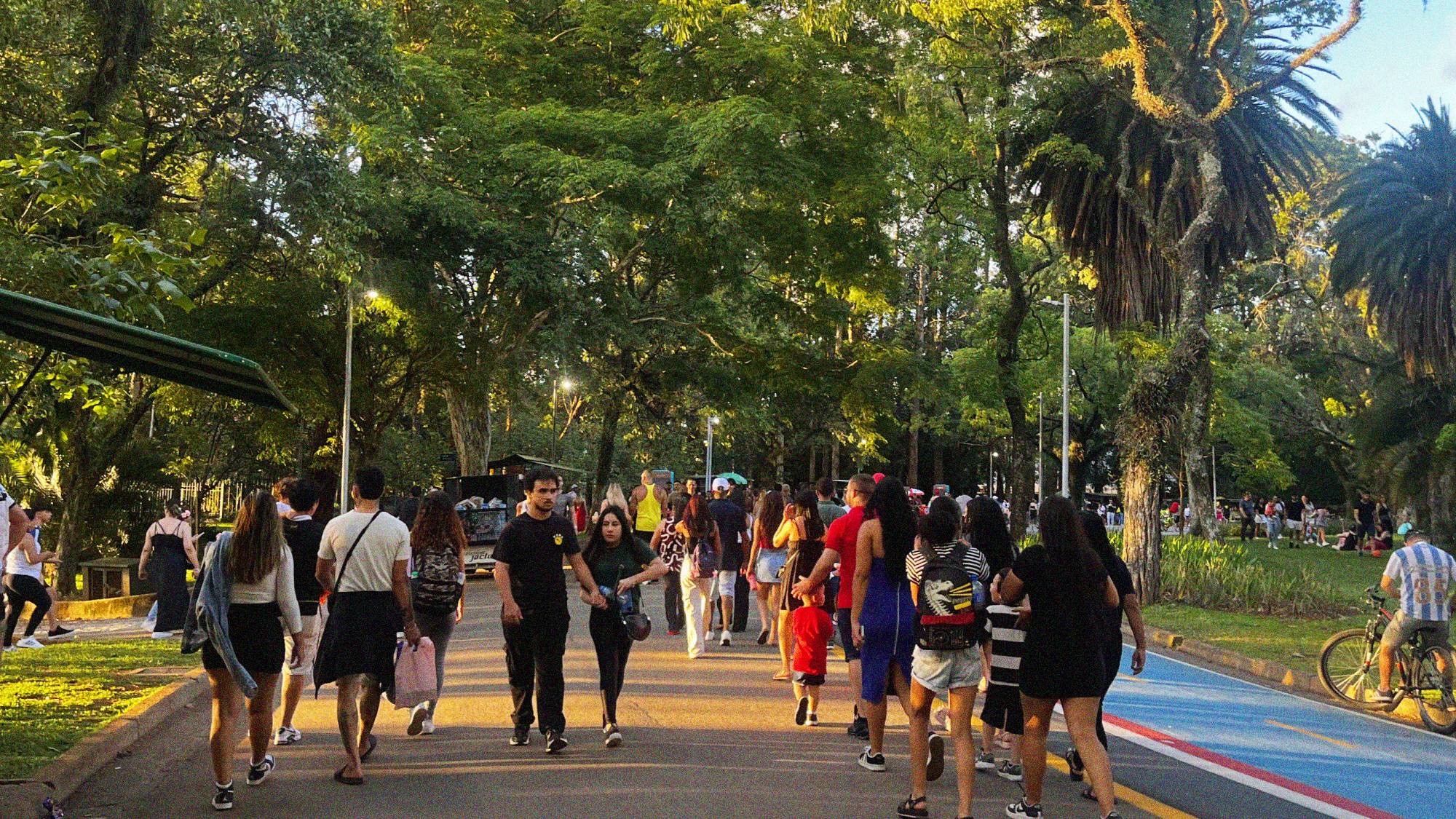
Parque Ibirapuera is an excellent escape from the city's traffic. The evening I visited was particularly busy with families, so I’d recommend avoiding peak hours if you’re aiming to set any PBs.

Run

Parque Villa-Lobos

Parque Villa-Lobos is about a 15-minute run downhill from Vila Madalena, offering wide-open spaces and well-maintained paths ideal for an evening run. The uphill return can be a bit challenging, so you may want to grab an Uber back.

People

São Paulo felt an incredibly diverse city. Alongside the natural diversity of the country's population itself, the city is home to both the world's largest Japanese and Lebanese communities outside their respective home countries. Whilst perhaps not as immediately jovial or playful as their Carioca neighbours in Rio, I generally found Paulistas equally as warm and approachable.

You're naturally likely to find substantially fewer international tourists passing through the city, but as a loose demographic indicator, in each of the WeWork offices I visited there was a distinctly more international feel than what I found in Rio.

Parque Ibirapuera is a popular location for an evening walk, particularly on weekends, featuring picturesque lakes, a skatepark and several museums. The park is perfectly safe and well-maintained.

Notes

Positives

A real big-city feel.

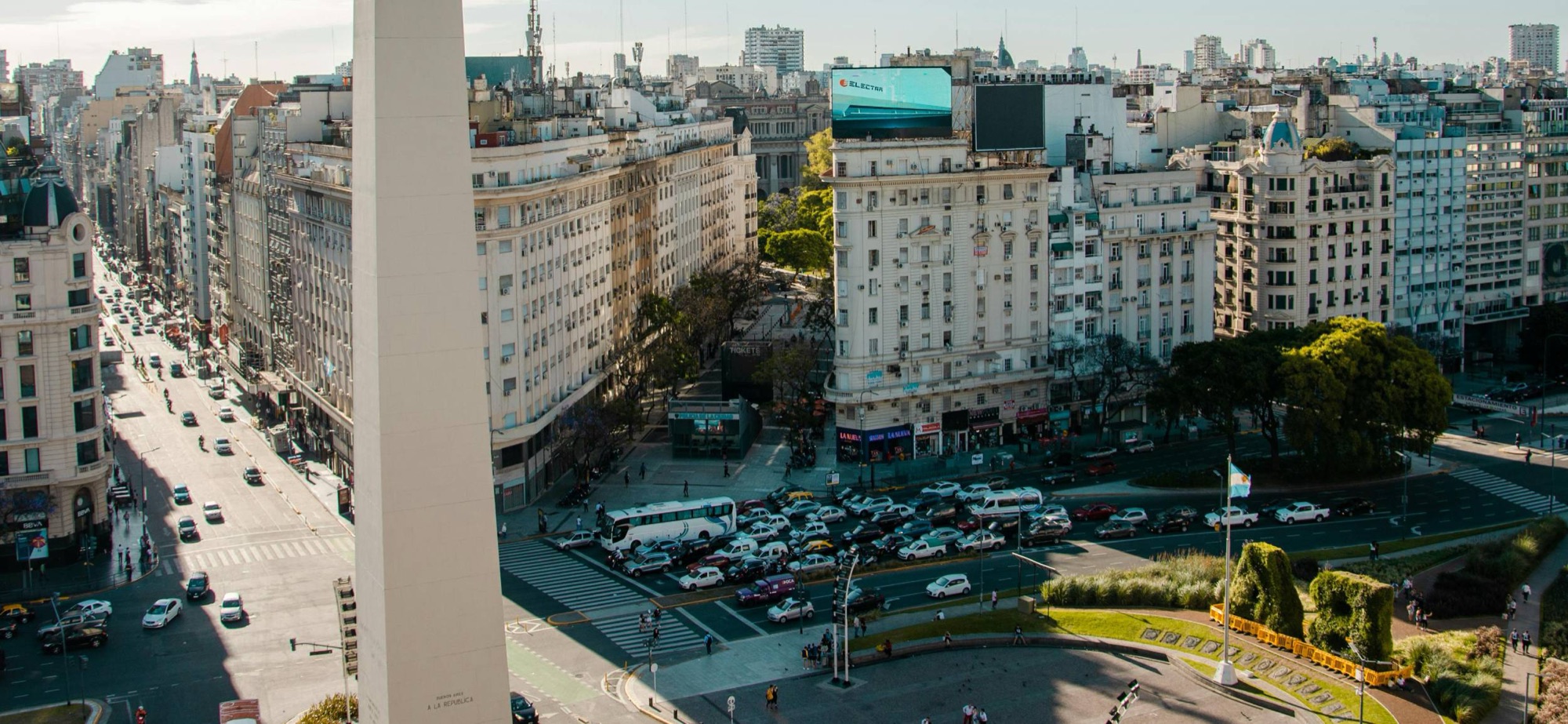
The 24/7 bars and restaurants, imposing skyscrapers, wide roads and multicultural population all give it the feel of a serious global city, with Buenos Aires being the nearest comparable urban experience I found on the continent. Rio has touches of it in the Centro district, but it's segregated from the more leisure-oriented areas, whereas in São Paulo you find more of a typical city-like ambience with commercial and residential areas blurring more naturally.

Great value.

As far as global metropolises go, you'll struggle to find somewhere which matches the value of São Paulo outside of Southeast Asia. Both accommodation, eating and drinking out offer dramatically better value than you would find in Europe and North America, without any discernible drop in quality of amenities. However, like anywhere, you can easily rack up bills dining at higher-end places.

Safer than you may expect from a Brazilian city.

While I can only vouch for a relatively small proportion of the city, the areas which I've mentioned above felt far safer than what you might fear from a Brazilian city. Comparing it to other cities globally, it felt notably more secure than somewhere like Cape Town and more relaxed than either of the Colombian cities I visited.

A solid base to explore from.

With two airports serving both the country's and continent's largest city, you've got a great selection of connections to other cities in the south of Brazil and further afield internationally if you're planning to make it a base for an extended South American trip. If you're travelling from Europe, flights to Guarulhos are some of the cheapest you'll find to the continent via LATAM, TAP Air or BA.

Accessible green spaces both within and outside the city's perimeter.

For a city that's often drawn criticism for its density of buildings and concrete, it's greener than it's been portrayed. Within an hour from the centre of the city, you can reach the expansive Parque Estadual da Cantareira, complementing numerous inner-city options.

An enviable selection of coworking spaces across the city.

Undoubtedly the best city on the continent for WeWork members with an unrivalled selection and quality of options spread across the city. The number of quality independent operators far outstripped Rio and most other neighbouring cities I visited.

Negatives

An inconvenient metro system.

Compared to Rio where you can tap in with a contactless card, São Paulo's metro requires a specific travel card. Paper tickets can be purchased, however they wouldn't accept my UK debit card and I hadn't withdrawn any cash. While the metro is expansive and well maintained, it's not particularly accessible for first-time visitors.

Plenty of wet days.

Contrary to my expectations, rain and clouds are just as much a part of Brazilian life as in the UK. If you're from the Northern Hemisphere and planning a winter escape, you may be underwhelmed with the weather during these months. From October to March, you can expect over 15 wet days per month, with January being the dampest at around 25. If you're looking for long days of uninterrupted sunshine, you may be better looking elsewhere. Expect early sunsets around 18:00 if you head for the drier, optimal months close to September.

Studio flats are much more accessible than one-bedroom apartments.

If I were booking somewhere for a month's stay, I'd much rather opt for a one-bedroom than a studio. From my observations, these were generally a lot harder to come by on Airbnb and usually carried a bit more of a premium. With that being said, the studios generally appeared larger than what you find in Europe and typically contain a separate bed rather than a sofa bed.

Not as 'Brazilian' as you may expect.

If you're only going to make one stop in Brazil, you may be underwhelmed if you visited São Paulo in isolation, resembling very little of Rio's Carioca culture synonymous with what the world recognises as the country. With this in mind, I loved it as a place to work, but if you're looking for a pure leisure destination, a couple of days would be sufficient before heading to somewhere more distinctive.

Tips

Areas of the city can be super hilly.

If you are in any way physically impaired, or simply hate climbing steep hills, you may want to do some extra research in advance to avoid any severe gradients. Any 10-minute walk around Vila Madalena will inevitably include some particularly taxing, and often unwelcome, climbs and descents.

For most transactions in Brazil, you'll be asked whether your card is Debit or Credit.

This can be quite confusing as while I always used a UK Monzo debit card, it would generally only work if I selected the Credit option. Try both options if your payment isn't going through.

Tipping in Brazil is straightforward.

Expect a 10% service charge added to your bill automatically when dining in. Not carrying physical cash for tipping purposes did not feel problematic.

If travelling domestically, aim to depart from Congonhas, the domestic airport closer to the city centre.

It can be a long drive to GRU (the larger international airport), which is often susceptible to heavy traffic delays. An Uber to GRU in the middle of the day cost around 100 Reais (£13) and took about an hour. Congonhas's central location makes it a much more convenient option for domestic travel.

An eSIM from Saily offered reasonable value for money.

15GB of data cost around £18 and was better value than the Airalo equivalent.

Planning a trip to São Paulo?

Partners I recommend. Some of these links give you a discount, and I may receive a referral reward.

SafetyWing

Specialised, flexible insurance for prolonged trips away.

  • Buy while abroad
  • Global coverage
  • Simple, online claims process
  • 24/7 human support

For trips exceeding 30 continuous days, seek dedicated travel insurance. Most holiday policies or credit card offerings become invalid after 30 days, despite advertising year-round protection. SafetyWing provides medical and travel coverage specifically designed for remote workers.

Having successfully claimed through their platform with impressive speed, I confidently recommend their service.

Sign up and get $20 off

Learn more

Airarlo

Easy access to data on your phone wherever you are in the world.

Get $2.50 off your first purchase

Learn more

Western Union

A convenient alternative to high ATM fees or carrying around cash.

Register and earn £10

Learn more

Suggestions or improvements?

If there's anything you feel that could make these guides more useful, let me know.
Leave a comment

Say hi!

If you've got any questions on any of the destinations or in remote work in general, give me a shout on LinkedIn.
Get in touch

Take every guide with you

The free iOS app has every guide offline, live weather and local time, costs in your currency, and bookmarks for your shortlist.